
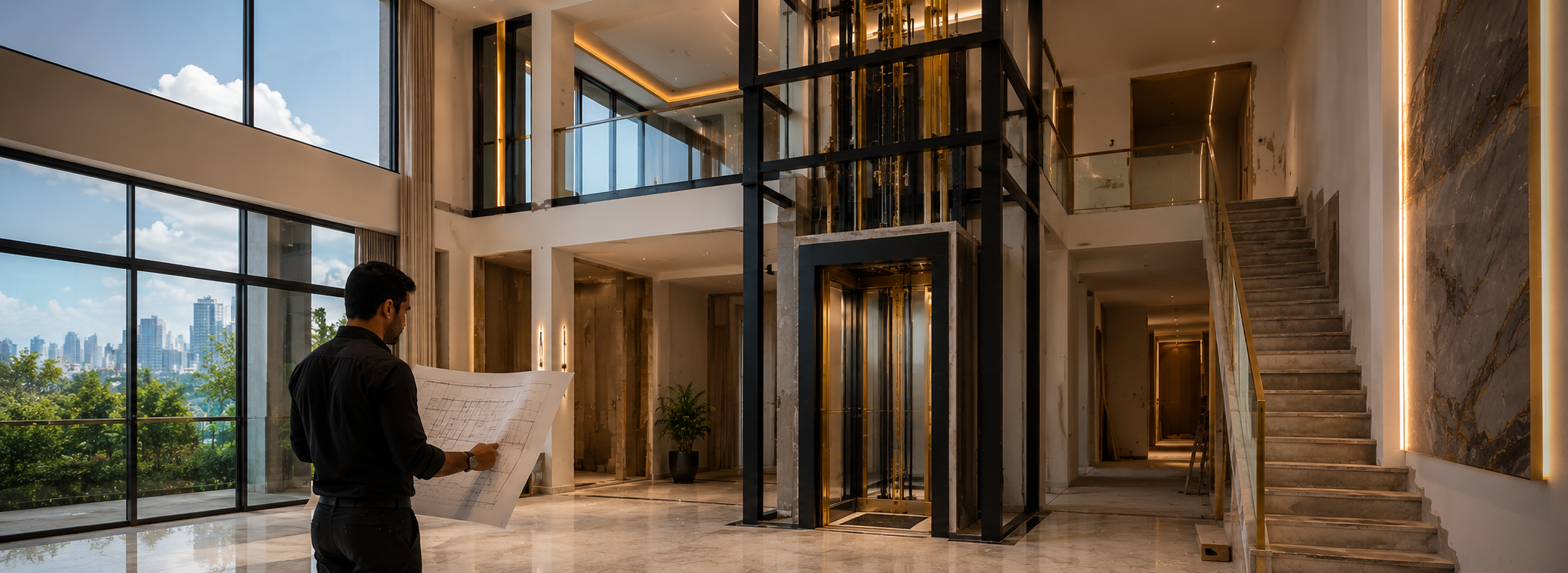

Hydraulic vs Traction Lift:
Which Home Elevator Is Best For Your Villa In Bangalore?

Compare hydraulic and traction home elevators based on cost, energy efficiency, maintenance, ride quality, safety, installation requirements and long-term value before choosing the right lift for your home.

Luxury Home Elevators
Bangalore Specialists
Architect Approved Solutions
Free Lift Planning Consultation
Get Expert Recommendation

Quick Answer

For most G+1 and G+2 homes in Bangalore, hydraulic lifts provide the best balance of affordability, installation flexibility and comfort. For luxury villas, panoramic glass elevators and homes with frequent daily usage, traction lifts generally offer better energy efficiency, smoother travel and superior long-term performance. The best choice ultimately depends on your property layout, expected usage, architectural requirements and investment goals.

What Is A Hydraulic Home Lift?

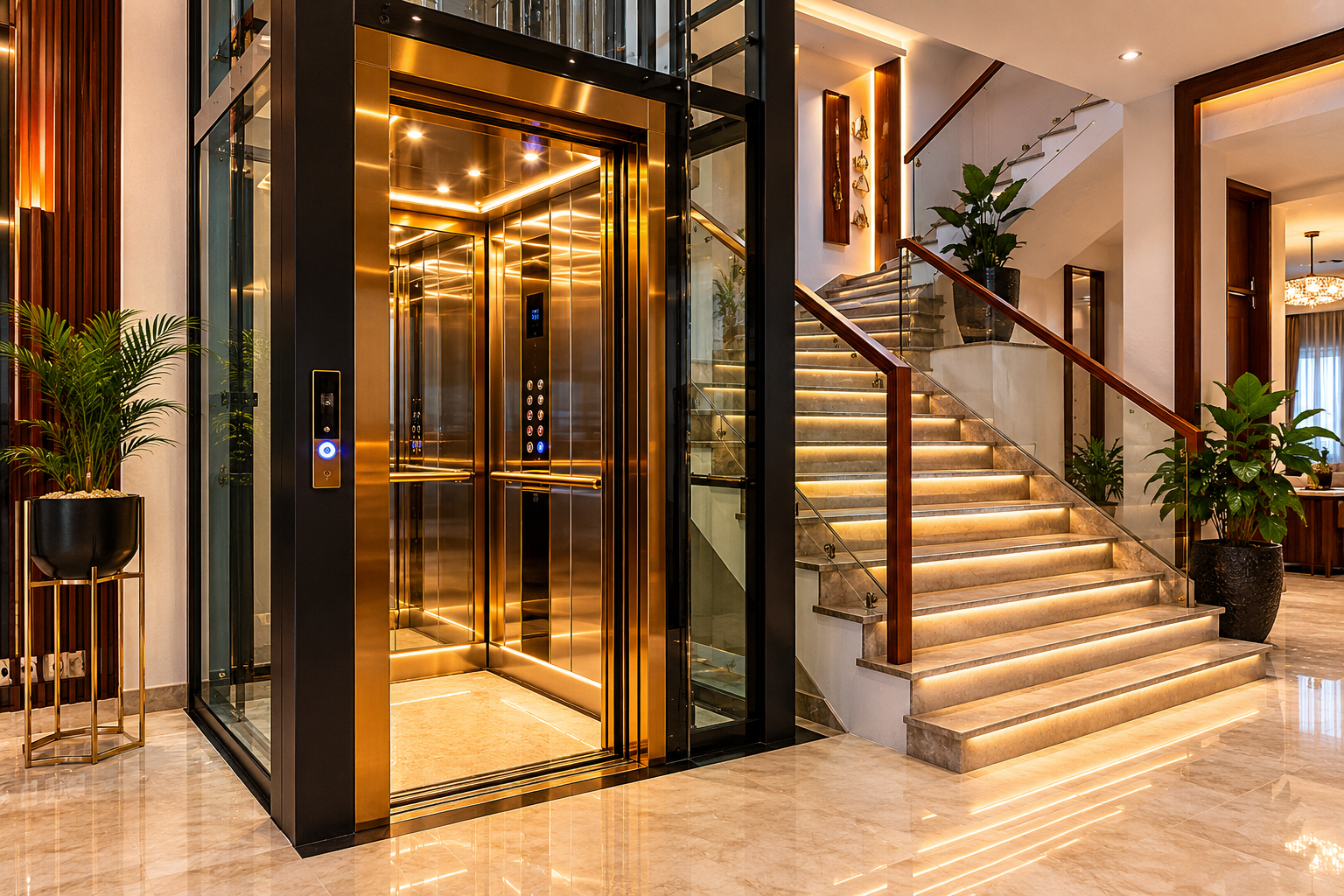
Luxury hydraulic home elevator installed inside modern Bangalore villa

A hydraulic lift is a residential elevator that moves using a hydraulic piston and fluid-powered drive system. When the lift travels upward, hydraulic fluid is pumped into a cylinder, pushing the piston and elevator cabin upward smoothly. When descending, controlled fluid release allows the cabin to move downward safely and comfortably.

Hydraulic lifts are widely used in home lift installations, villas, duplex homes, bungalows and low-rise residential buildings because they require relatively simple installation and provide excellent ride comfort. For many homeowners planning a lift for a G+1 or G+2 property, hydraulic technology offers an attractive combination of reliability, affordability and architectural flexibility.

One of the major advantages of hydraulic elevators is their suitability for retrofit projects. Existing homes with limited structural modifications often find hydraulic lifts easier to accommodate compared to some traction-based systems.

Volo typically recommends hydraulic home lifts for homeowners prioritizing comfort, value, compact installation and dependable everyday performance in low-rise residential environments.

What Is A Traction Home Lift?

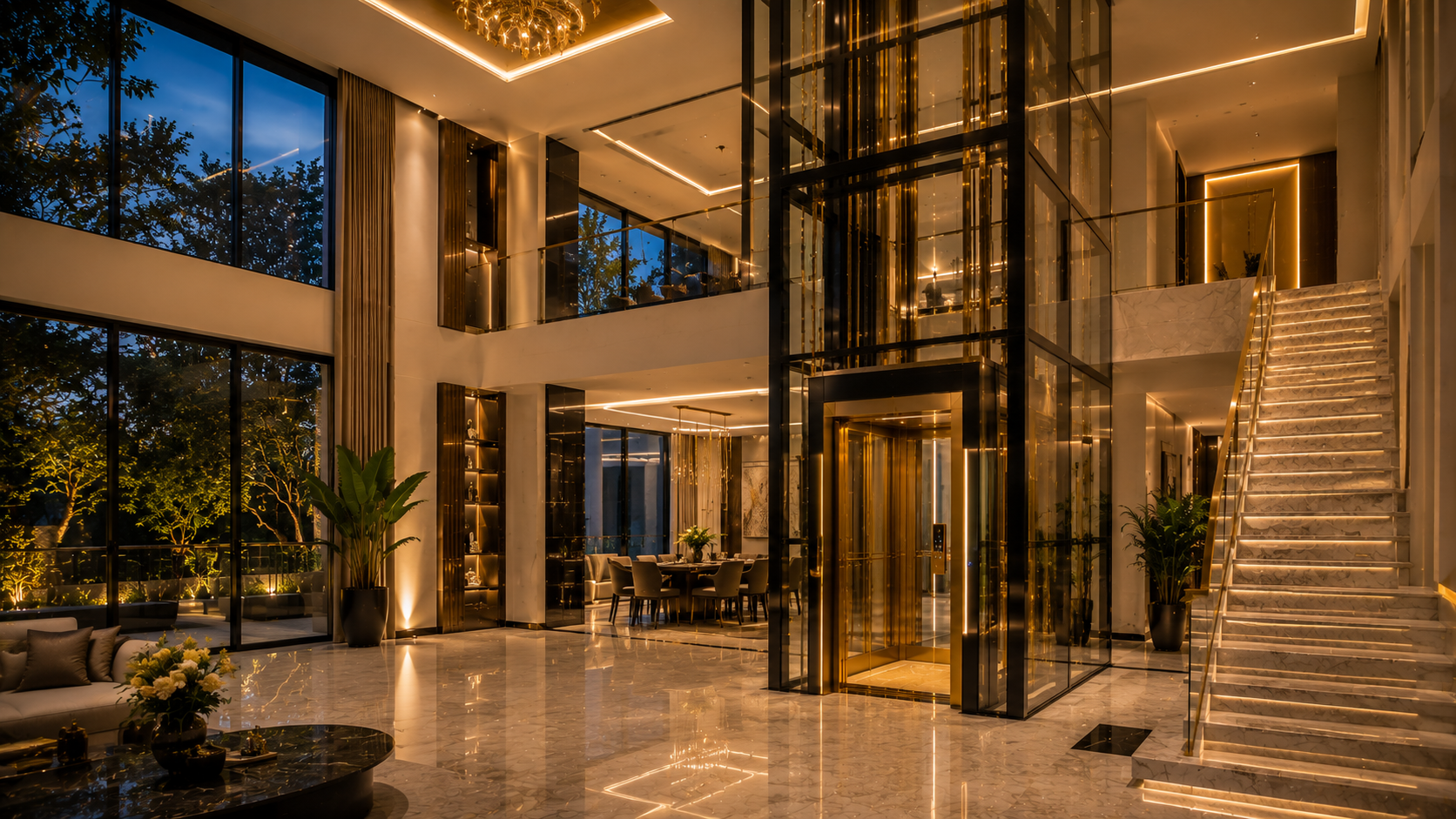
Premium traction home elevator with panoramic glass cabin in luxury residence

A traction lift uses an electric motor, steel ropes or belts and a counterweight system to move the elevator cabin. Rather than relying on hydraulic pressure, traction elevators balance the cabin with a counterweight, reducing motor load and improving energy efficiency.

Modern traction elevators are commonly used in luxury villas, premium residences and high-usage homes because they offer excellent ride quality, precise leveling and efficient operation. Many contemporary machine-room-less designs also allow architects greater design flexibility while maintaining elegant aesthetics.

Traction lifts are especially popular for panoramic glass elevators where smooth movement and premium user experience are top priorities. Homeowners looking for a luxury statement feature often choose traction systems because of their advanced engineering and long-term operational efficiency.

For luxury villas, glass elevators and homes expecting frequent daily usage, traction technology often delivers the most premium ownership experience.

Hydraulic Vs Traction Lift Comparison

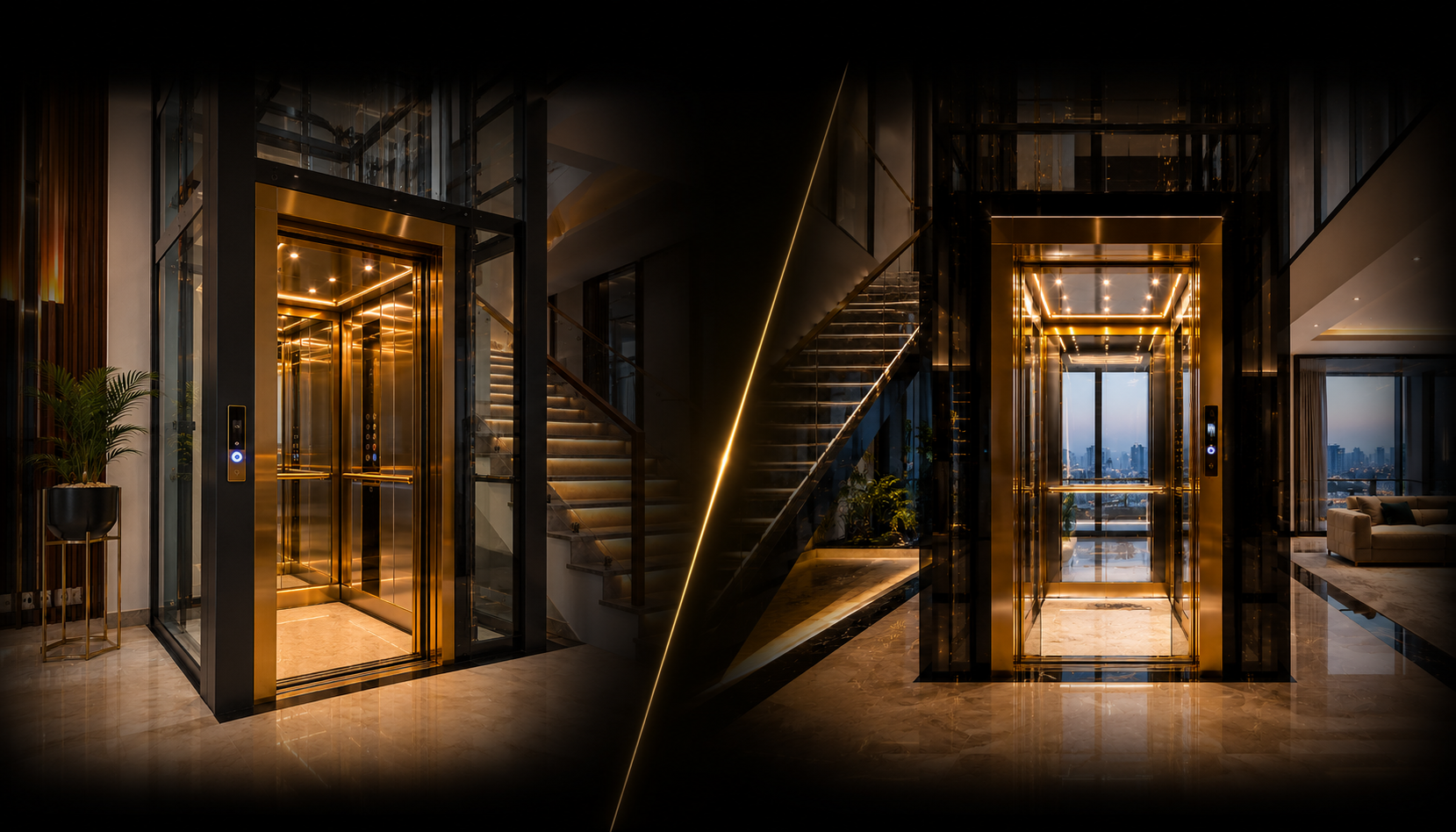
Hydraulic lift versus traction lift technology comparison for residential elevators
Feature Hydraulic Lift Traction Lift
Initial Investment Lower Higher
Ride Comfort Excellent Excellent
Energy Efficiency Good Excellent
Speed Moderate Higher
Installation Complexity Lower Higher
Maintenance Moderate Lower
Luxury Villa Suitability Excellent Excellent
Glass Elevator Applications Good Excellent
Recommended Floors Up To G+3 Multiple Floors
Long-Term Efficiency Good Excellent

Hydraulic And Traction Lift Advantages

Hydraulic Lift Advantages

Lower initial investment, easier installation, excellent comfort, suitability for retrofit projects and outstanding value for G+1 and G+2 homes .

Traction Lift Advantages

Superior energy efficiency, smoother operation, faster travel, premium aesthetics and exceptional long-term performance.

Hydraulic Lift Limitations

Generally slower travel speeds and higher energy consumption when compared with advanced traction systems.

Traction Lift Limitations

Higher initial investment and potentially more complex installation requirements depending on project conditions.

Hydraulic Vs Traction Lift Cost In Bangalore

Home elevator cost comparison and investment planning for Bangalore villas

Cost is often one of the biggest deciding factors when choosing a home elevator. While every project is unique, understanding the general investment range helps homeowners make informed decisions before finalizing architectural plans.

Hydraulic Home Lift Cost

For most residential projects in Bangalore, hydraulic lifts typically fall within the ₹5 lakh to ₹8 lakh range depending on travel height, cabin finishes, shaft conditions and customization requirements.

Hydraulic systems often provide excellent value for homeowners seeking a reliable elevator without making a significant premium investment.

Best suited for G+1 and G+2 homes seeking strong value and comfortable everyday operation.

Traction Home Lift Cost

Traction elevators generally range from ₹8 lakh to ₹14 lakh or more depending on specifications, drive technology, cabin design, automation features and architectural requirements.

Luxury villas and premium residences often choose traction systems because of their superior efficiency, aesthetics and long-term operating performance.

Best suited for luxury villas, glass elevators and high-usage residential properties.

Actual pricing depends on travel height, cabin size, shaft construction, finishes, automation features, power requirements and site conditions. A professional site assessment is always recommended before budgeting.

Which Lift Uses Less Electricity?

Energy efficient luxury home elevator installed in sustainable modern villa

One of the most common questions homeowners ask is whether hydraulic or traction lifts consume less electricity. Energy efficiency becomes increasingly important as lift usage increases over time.

Quick Energy Answer

Traction lifts are generally more energy efficient because the counterweight system reduces motor workload. Hydraulic lifts remain highly practical for low-rise residential applications where daily usage is moderate.

Hydraulic Energy Performance

Hydraulic systems consume power while lifting the cabin upward. For low-rise homes with moderate daily usage, energy consumption remains reasonable and rarely becomes a major concern for homeowners.

Traction Energy Performance

Counterweights help balance the cabin load, allowing traction lifts to use energy more efficiently. This becomes especially beneficial in homes with frequent elevator usage.

For most villas and luxury homes, energy consumption should be evaluated alongside comfort, aesthetics, maintenance and long-term ownership experience rather than as an isolated factor.

Which Lift Requires Less Maintenance?

Maintenance costs influence the total cost of ownership over the life of the elevator. Choosing the right technology depends on usage patterns, installation quality and long-term expectations.

Hydraulic Lift Maintenance

Hydraulic lifts contain fewer moving mechanical components and are widely recognized for dependable residential operation. Routine inspections, hydraulic fluid monitoring and scheduled servicing help maintain peak performance.

Traction Lift Maintenance

Modern traction systems are engineered for durability and long-term efficiency. Regular inspections of drive systems, ropes or belts and safety devices help ensure consistent performance.

Both hydraulic and traction elevators can provide decades of reliable service when installed correctly and maintained according to manufacturer recommendations.


Are Hydraulic Or Traction Lifts Safer?

Residential elevator safety inspection and premium home lift safety systems

Safety should never be compromised when selecting a home elevator. Modern hydraulic and traction lifts incorporate advanced safety technologies designed to protect passengers during everyday operation.

Emergency Lowering Systems

Modern elevators can safely lower passengers to a landing level during power interruptions using backup systems.

Automatic Door Protection

Infrared sensors help prevent doors from closing when an obstruction is detected.

Emergency Alarm Functions

Emergency communication systems provide additional passenger reassurance and support.

Advanced Safety Controls

Modern control systems continuously monitor elevator operation and respond instantly to unusual conditions.

Safety Verdict

Both hydraulic and traction lifts are exceptionally safe when professionally designed, installed and maintained. The quality of engineering, installation and service support is often more important than the drive technology itself.

Best Lift Based On Home Type

Home Type Recommended Option
G+1 House Hydraulic Lift
G+2 House Hydraulic Lift
G+3 Villa Traction Lift
Luxury Villa Traction Lift
Glass Elevator Project Traction Lift
Existing House Retrofit Hydraulic Lift
High Daily Usage Home Traction Lift
Budget-Focused Project Hydraulic Lift

Hydraulic Vs Traction Lift For Bangalore Homes

Luxury Bangalore villa community featuring integrated residential elevators

Bangalore has become one of India's largest markets for luxury villas, independent houses and premium residential developments. Homeowners increasingly view elevators as both a convenience feature and a long-term investment.

Volo Lifts serves homeowners across Whitefield, Sarjapur Road, Electronic City, HSR Layout, Koramangala, Indiranagar, Jayanagar, Hebbal, Yelahanka and North Bangalore with customized residential elevator solutions.

For G+1 and G+2 homes in Whitefield, Sarjapur, HSR Layout, Electronic City, Jayanagar and surrounding residential neighborhoods, hydraulic lifts frequently provide the best balance of cost, comfort and installation flexibility.

For luxury villas, large residences and architect-designed homes featuring glass elevators , traction systems are often preferred because of their premium ride quality, efficient operation and elegant integration with contemporary architecture.

The ideal lift for Bangalore homeowners depends on architectural design, daily usage, future accessibility requirements and long-term property value objectives.

Volo Expert Recommendation

Architect and elevator consultant reviewing luxury villa elevator plans

Based on residential elevator installations across Bangalore, Volo generally recommends hydraulic lifts for G+1 and G+2 homes where affordability, installation flexibility and dependable comfort are the primary objectives.

Homeowners searching for a home elevator Bangalore solution, residential lift Bangalore installation, villa elevator Bangalore project or luxury home lift often compare hydraulic and traction technologies before finalizing architectural plans.

For luxury villas, panoramic glass elevators and residences with higher daily usage, traction lifts often provide superior long-term efficiency, ride refinement and premium aesthetics.

Rather than selecting a lift based solely on price, homeowners should evaluate architectural compatibility, future accessibility needs, operating efficiency and overall ownership experience.

Luxury Villa Elevator Case Study

Completed luxury villa featuring panoramic glass home elevator installation

Quick Decision Guide

Choose Hydraulic If

✓ Budget under ₹8 lakh

✓ G+1 or G+2 house

✓ Existing home retrofit

✓ Value-focused project

✓ Lower installation complexity

Choose Traction If

✓ Luxury villa

✓ Panoramic glass elevator

✓ Frequent daily usage

✓ Premium aesthetics

✓ Long-term efficiency focus

Still Not Sure Which Lift Is Right For Your Home?

Speak with Volo's planning specialists for a personalized recommendation based on your home design, floor count, usage requirements and budget.

✓ Site Assessment
✓ Shaft Planning Guidance
✓ Lift Recommendation
✓ Budget Estimation
✓ Architect Coordination
Request Free Consultation

Hydraulic vs Traction Lift: Final Recommendation

For most G+1 and G+2 homes in Bangalore, hydraulic lifts provide the best balance of affordability, installation flexibility and ride comfort. For luxury villas, glass elevators and homes with higher daily usage, traction lifts generally offer superior energy efficiency, smoother operation and long-term performance. The ideal choice depends on architecture, budget, floor count and future accessibility requirements.

Frequently Asked Questions

For most G+2 homes, hydraulic lifts provide an excellent balance of affordability, ride comfort and installation flexibility.
luxury villas often benefit from traction elevators because of their premium aesthetics, smooth ride quality and energy-efficient operation.
Traction lifts generally consume less electricity because the counterweight system reduces the load placed on the motor.
Both systems are highly reliable when maintained properly. Actual maintenance requirements depend on usage, installation quality and servicing schedules.
Yes. Many existing homes can accommodate a residential elevator with appropriate planning and structural assessment.
Modern hydraulic elevators include advanced safety systems, emergency lowering functions and multiple protective mechanisms.
Yes. Modern traction elevators are designed with sophisticated safety controls, overspeed protection and emergency systems.
Both technologies can operate quietly when engineered and installed correctly. Cabin design and installation quality often influence perceived noise levels.
A professionally maintained residential elevator can provide reliable service for decades.
Modern home elevators can include battery-backed emergency lowering systems that safely return passengers to a landing.
Both hydraulic and traction elevators can provide safe, comfortable accessibility for seniors and individuals with mobility challenges.
A machine room less lift is a traction elevator design that integrates major equipment within the shaft, eliminating the need for a separate machine room.
A professionally installed elevator can improve convenience, accessibility and long-term property appeal regardless of technology.
Hydraulic lifts are often preferred for G+1 and G+2 homes, while traction lifts are frequently selected for premium villas and luxury residences.
The ideal lift depends on floor count, shaft availability, budget, architectural goals, expected usage and future accessibility requirements.

Hydraulic lifts are typically the preferred choice for G+1 and G+2 houses because of their value and installation flexibility. Traction lifts are usually the best option for luxury villas, panoramic glass elevators and homes requiring maximum efficiency, premium ride quality and long-term performance.

Explore More Home Lift Resources

Learn more about home elevators, villa lifts, luxury glass elevators and the best lift options for G+2 houses with Volo's expert residential lift guides.

Home Lifts Best Lift For G+2 House Glass Home Lifts Villa Elevators Free Consultation