
Home
FAQs
Contact
Products
📦 All Products
Lift Retrofit
Modernization
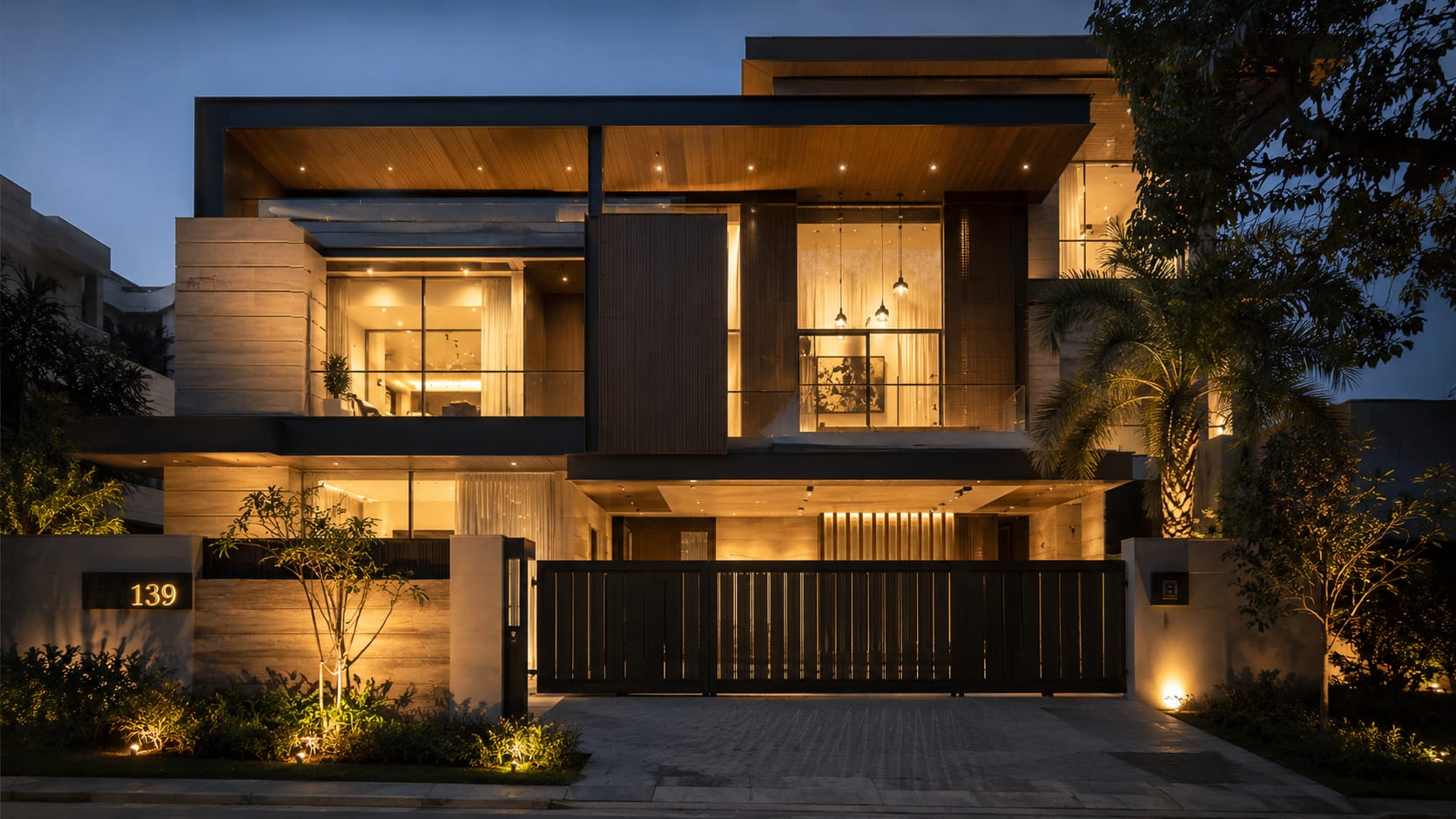
For most G+2 homes in Bangalore, an MRL traction lift provides the ideal balance of space efficiency, ride comfort, energy efficiency and long-term reliability. Hydraulic lifts remain a practical option for budget-conscious projects, while premium villas often benefit from bespoke traction elevators with luxury cabin finishes and architectural integration. The ideal solution depends on available shaft dimensions, design aspirations, usage frequency and future accessibility requirements.
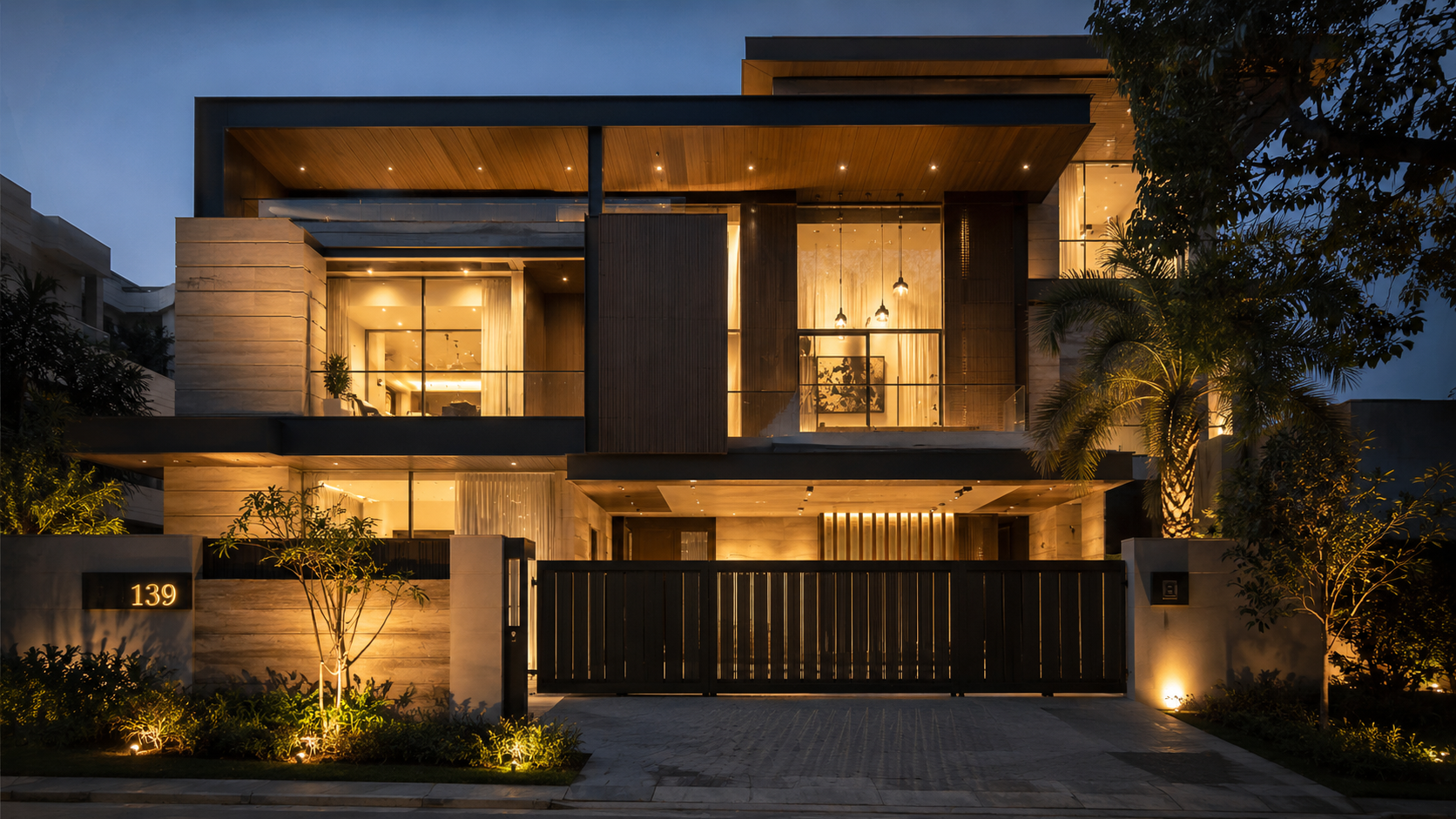
Installing a lift in a G+2 house is no longer considered a luxury reserved for large estates. Across Bangalore, homeowners are increasingly incorporating residential elevators into villas, duplex homes and multi-generational residences to improve accessibility, convenience and long-term property value.
However, selecting the right technology requires understanding the differences between hydraulic lifts, machine-room-less systems and traction elevators. Each offers distinct advantages in terms of space requirements, operating costs, ride quality and architectural flexibility.
This guide explains everything homeowners need to know before investing in a residential lift for a three-floor house.
Understanding the strengths of each technology helps homeowners make informed decisions based on budget, available space and lifestyle expectations.
| Feature | Hydraulic Lift | MRL Lift | Traction Lift |
|---|---|---|---|
| Space Efficiency | Good | Excellent | Excellent |
| Ride Comfort | Good | Very Good | Excellent |
| Energy Efficiency | Moderate | High | Very High |
| Maintenance | Moderate | Low | Low |
| Premium Villas | Good | Very Good | Excellent |
| Typical Investment | ₹5.5L+ | ₹8L+ | ₹10L+ |

One of the most common questions homeowners ask is whether a lift can fit within the available layout. Modern residential elevators are significantly more compact than traditional commercial lifts and can often be integrated into new construction as well as existing homes.
Most G+2 residential lifts require a shaft between 1200 mm and 1800 mm depending on cabin dimensions, passenger capacity and technology selected.
Modern home lifts can often operate with reduced pit requirements. Typical residential installations require approximately 150 mm to 450 mm.
Headroom requirements vary by system design but generally range between 2600 mm and 3500 mm for most residential applications.
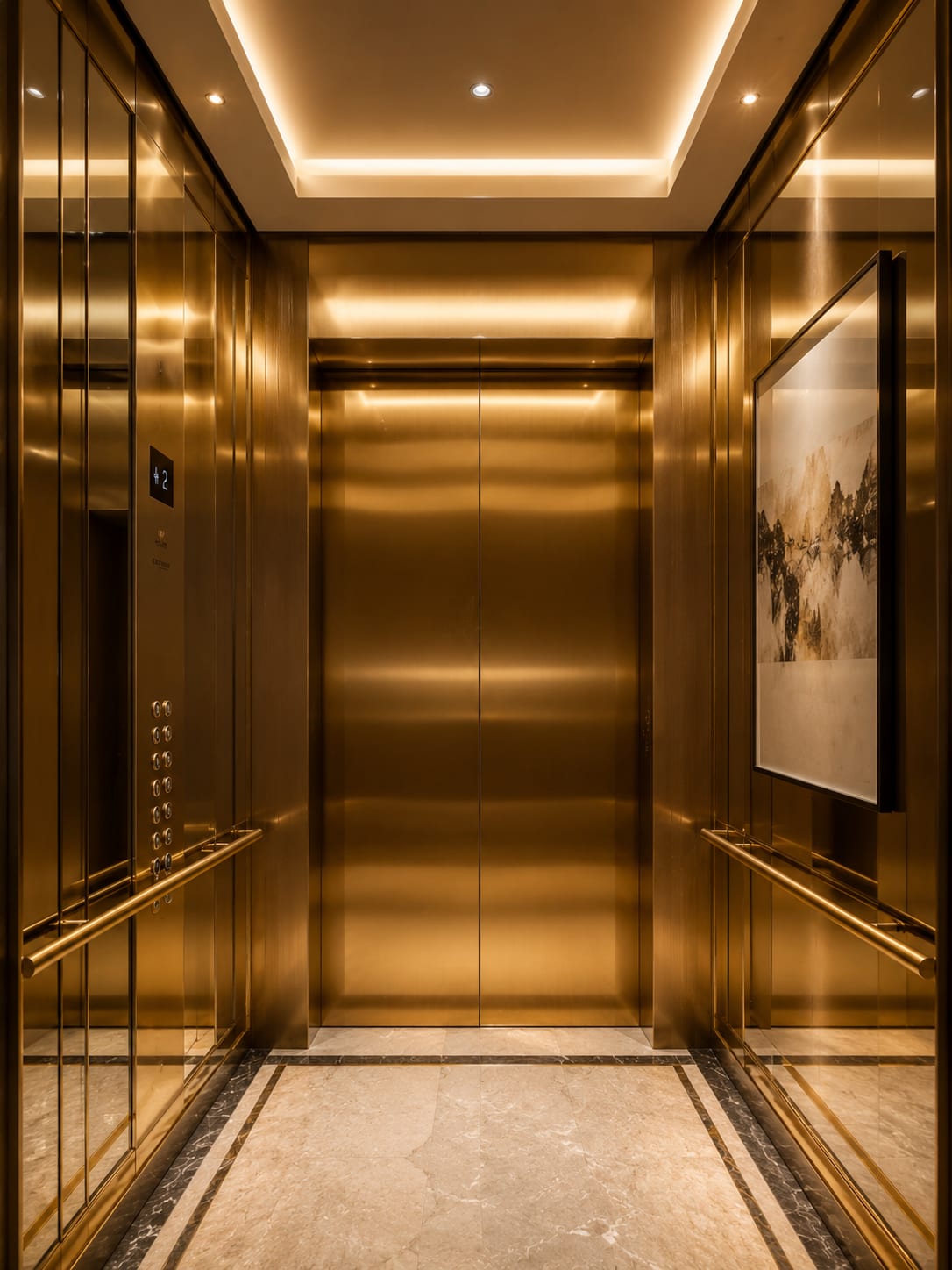
The investment required for a residential elevator depends on several factors including lift technology, number of stops, cabin finishes, shaft dimensions and architectural customization requirements.
While budget-oriented systems focus primarily on functionality, premium home elevators often incorporate designer finishes, architectural lighting, panoramic glazing and bespoke interior detailing.
| Lift Type | Typical Investment |
|---|---|
| Hydraulic Home Lift | ₹5.5 Lakh – ₹8 Lakh |
| MRL Home Lift | ₹8 Lakh – ₹12 Lakh |
| Premium Traction Lift | ₹10 Lakh – ₹18 Lakh+ |
| Luxury Glass Elevator | Custom Specification |
Machine Room Less elevators eliminate the need for a dedicated machine room, allowing cleaner rooflines, more efficient space planning and improved architectural flexibility.
Modern villas increasingly integrate lifts during construction to improve accessibility and future-proof the residence.
Premium villa communities often prioritize design flexibility, making compact MRL systems particularly attractive.
Larger plots and luxury residences frequently incorporate bespoke residential elevators as part of the architectural vision.
Multi-generational homes increasingly adopt residential lifts to enhance convenience and long-term mobility.
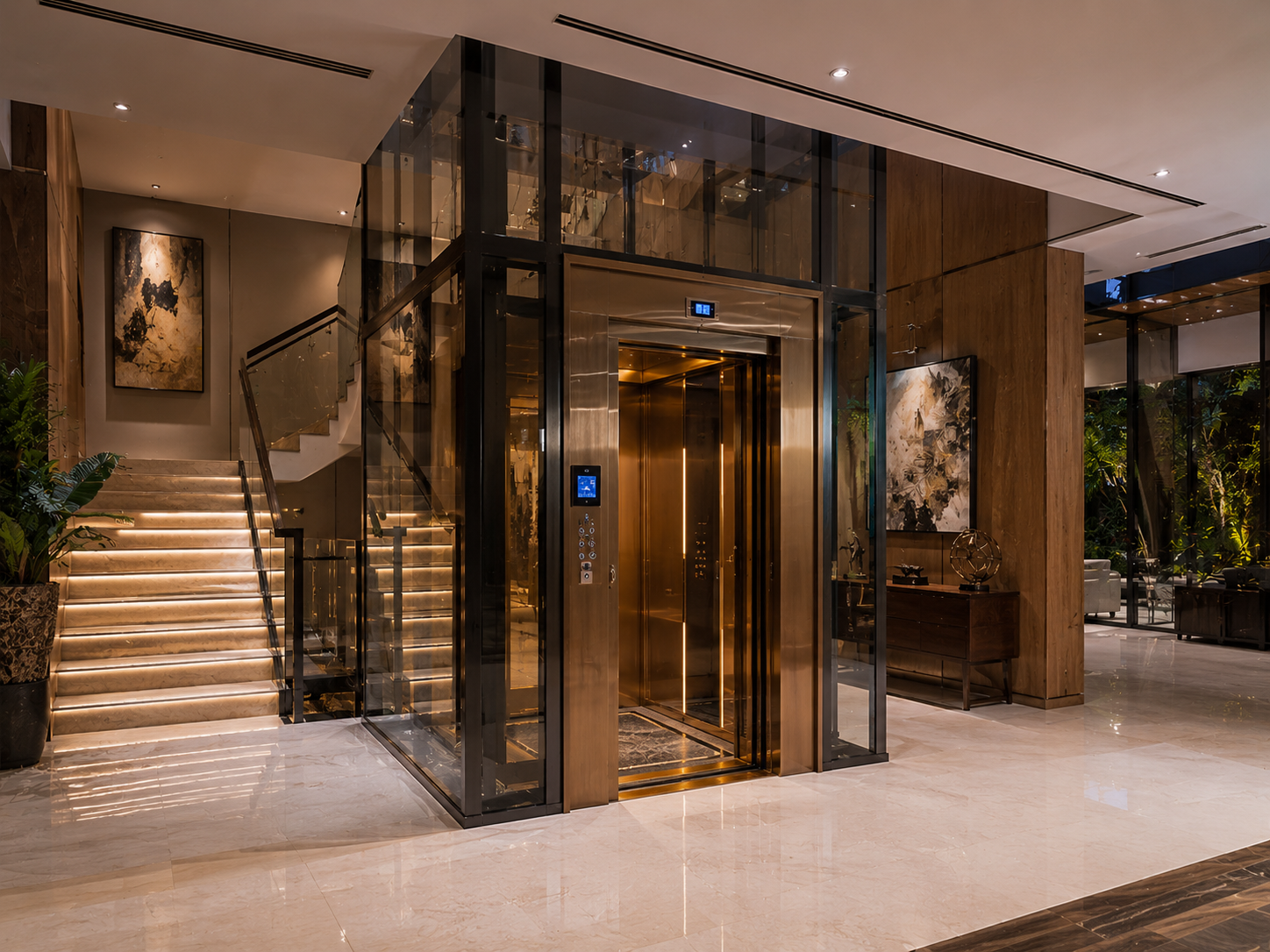
The difference between a basic lift and a premium residential elevator extends far beyond transportation. It includes design integration, ride quality, safety, materials and long-term ownership experience.
Advanced drive systems deliver smooth acceleration, controlled deceleration and exceptionally quiet travel suitable for luxury residences.
The lift should complement the home rather than appear as an afterthought. Design harmony is essential.
Designer finishes, architectural lighting, premium metals and bespoke cabin aesthetics elevate the experience.
Modern home elevators support accessibility, aging-in-place planning and future property value enhancement.
Every residence presents unique architectural challenges and opportunities. These examples represent the types of homes where premium residential elevators create meaningful value.
Contemporary luxury villa designed around accessibility, premium interiors and long-term convenience.
Integrated residential elevator supporting seamless movement across multiple levels while preserving architectural aesthetics.
Bespoke residential mobility solution developed for a premium hillside property with panoramic views.
A residential elevator is only as reliable as the engineering behind it. Premium components contribute significantly to safety, ride quality, efficiency and long-term performance.
VOLO systems utilize internationally recognized technologies trusted across residential and commercial installations worldwide.
For the majority of modern G+2 residences in Bangalore, an MRL traction lift offers the best balance of space efficiency, comfort, reliability and long-term value.
For luxury villas where aesthetics and personalization are priorities, premium traction systems with custom interiors, glass integration and architectural detailing often deliver the strongest overall ownership experience.
The best solution ultimately depends on the home's layout, future requirements, architectural vision and desired user experience.
Premium traction and MRL systems are generally considered the most reliable options for modern residences.
A smooth traction or MRL elevator improves accessibility while supporting long-term independent living.
Premium residential elevators often improve convenience, accessibility and market appeal.
Many residential lift systems can be integrated into completed homes through careful planning and engineering.
Answers to the most common questions homeowners ask when planning a lift for a G+2 residence.
Every exceptional residence deserves mobility designed with the same attention given to architecture, interiors and lifestyle. Share your floor plan with our team and receive a tailored recommendation for your home.